
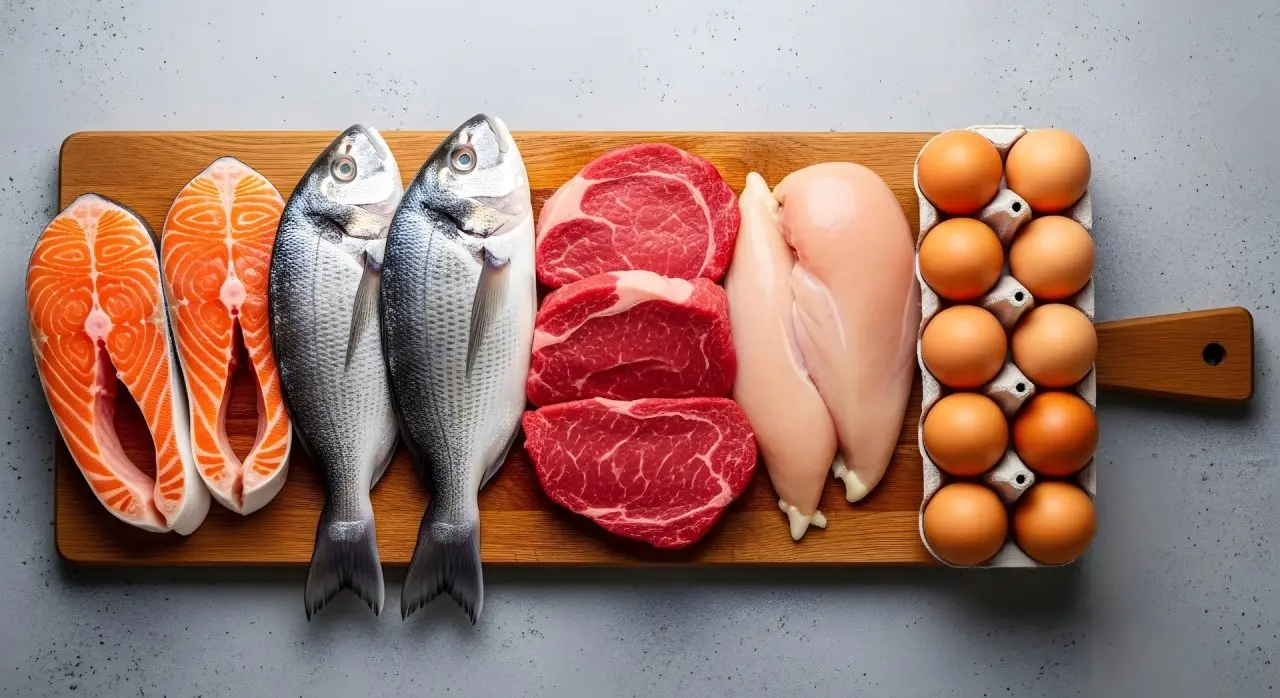
As you age, many people start to notice that their body "isn't what it used to be" tiring more easily, walking with less stability, or losing strength without a clear reason.
This isn't just a feeling. It's a physical change known as "muscle mass loss."
From the age of 40 onwards, the body loses an average of approximately 8% of muscle mass every 10 years. By the age of 70, that rate increases to 15% per 10 years.
While this is a natural process, without proper care it can lead to a condition known as Sarcopenia — which directly impacts long-term quality of life.
What Is Sarcopenia and Why Does It Matter?
Sarcopenia is a condition in which muscle mass and strength progressively decline. It is common in older adults and is one of the leading causes of reduced mobility.
Common effects include:
- Muscle weakness
- Poor balance and an increased risk of falls
- Slower movement
- Loss of ability to perform everyday activities
What's particularly concerning is that many older adults are completely unaware they are losing muscle mass. Data also shows that more than 50% of women and around 30% of men are not consuming enough protein for their body's daily needs.
How Much Protein Do Older Adults Need Per Day?
Nutrition experts recommend the following daily protein intake:
- Healthy older adults: 1.0–1.2 g of protein per kg of body weight per day
- Older adults recovering from illness or injury: 1.2–1.5 g of protein per kg of body weight per day
Example: If you weigh 60 kg, you should aim for approximately 60–72 g of protein per day.
However, knowing the total daily amount alone is not enough for effective muscle building.
How to Eat Protein for Real Muscle Growth
Many people assume that eating a large amount of protein in a single meal is sufficient. In reality, the body can only use protein in limited amounts at one time.
Research shows that consuming approximately 25–30 g of protein per meal is most effective for stimulating muscle protein synthesis.
The recommended approach is to:
- Distribute protein evenly across all meals
- Avoid concentrating protein heavily into a single meal
- Maintain consistent amino acid levels in the bloodstream throughout the day
This approach allows the body to use protein to its full potential.
Plant Protein vs Animal Protein — Which Is Better?
The answer is that neither is "the best on its own" — they work best when combined in balance.
Animal protein:
- Easily absorbed by the body
- Contains all essential amino acids
Plant protein:
- High in dietary fibre
- Rich in antioxidants
- Better for long-term health outcomes
Combining both sources provides a more complete and balanced nutritional profile for the body.
Exercise: The Critical Variable Many People Overlook
Even with adequate protein intake, without muscle stimulation the body cannot build muscle effectively.
Resistance exercise is therefore essential. Examples include:
- Light weightlifting
- Resistance band training
- Bodyweight exercises
This type of exercise activates the muscle-building signal in the body. When combined with adequate protein intake, the body can effectively convert that protein into muscle mass.
Why Do Older Adults Need More Protein?
As we age, the body enters a state called Anabolic Resistance — meaning it becomes less responsive to protein. The same amount of protein that once built muscle efficiently now has a reduced effect.
This makes it necessary to:
- Increase total protein intake
- Choose high-quality protein sources
- Distribute protein intake across multiple meals
All of the above working together is what effectively stimulates muscle building in older adults.
Warning Signs You May Not Be Getting Enough Protein
Many people may be protein-deficient without realising it. Signs to watch for include:
- Feeling tired more easily than usual
- Muscle weakness
- Unintentional weight loss
- Slow recovery from illness or injury
If you notice these signs, it's time to adjust your eating habits sooner rather than later.
Protein Choices for a Busy Life
Today, many people have limited time. Preparing protein-rich meals for every sitting isn't always realistic. Choosing a protein source that is convenient, high quality, and suited to real life is therefore an important consideration.
Proghurt — a product that combines both dairy and plant-based proteins — can effectively help meet your body's nutritional needs, making it a practical choice for anyone looking to support their health at every stage of life.